
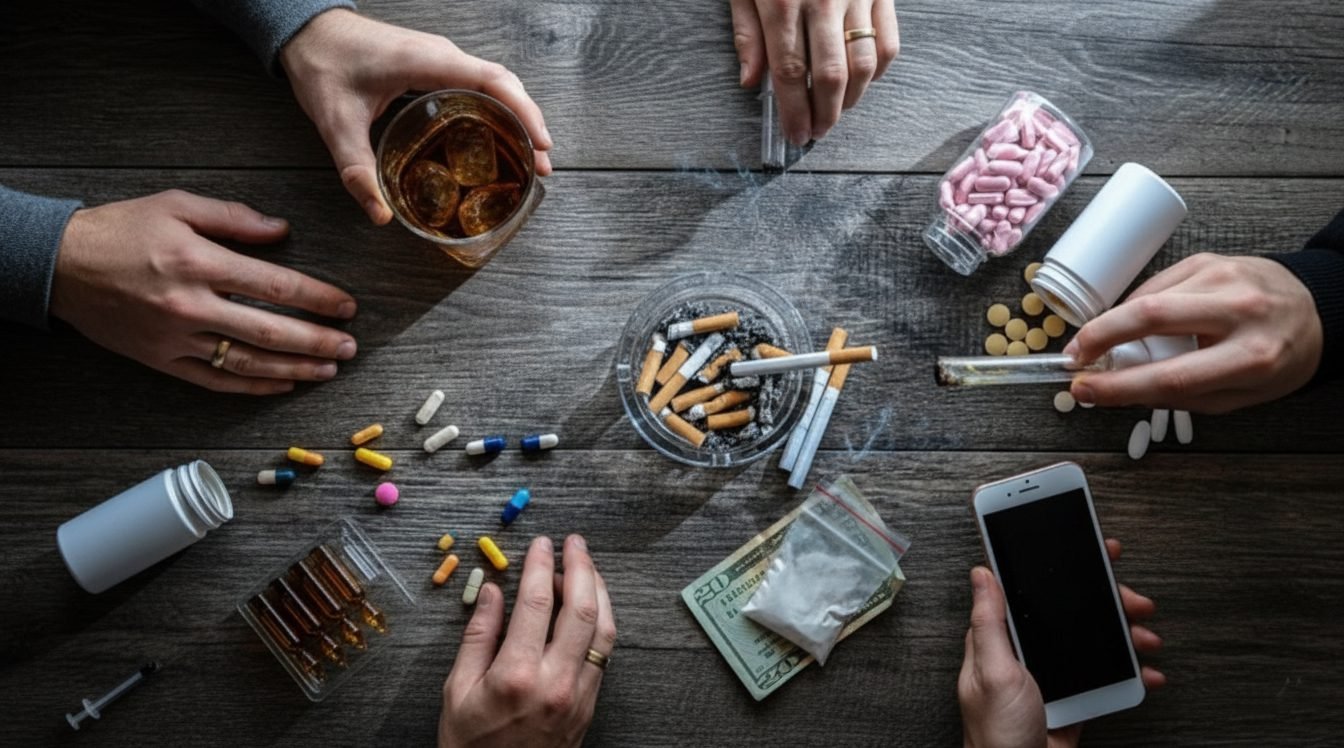
Why drugs and alcohol are on the rise is not just a social question — it is a psychological one.
This is not merely a youth problem.
Not just a policy failure.
It reveals something deeper about how human beings are living today.
When the Mind Refuses to Cooperate
Most people cannot reliably manage their own inner state.
Thoughts race.
Emotions fluctuate.
Stress appears without invitation.
When your own mind does not respond to you, relief becomes urgent.
And when relief becomes urgent, intoxication becomes attractive.
Alcohol does not solve the mind.
Drugs do not solve anxiety.
They simply soften the intensity.
For a few hours, the pressure reduces.
The noise quiets down.
But nothing fundamental changes.
This is not a moral question.
It is a functional one.
Peak Evolution — Minimum Self-Mastery
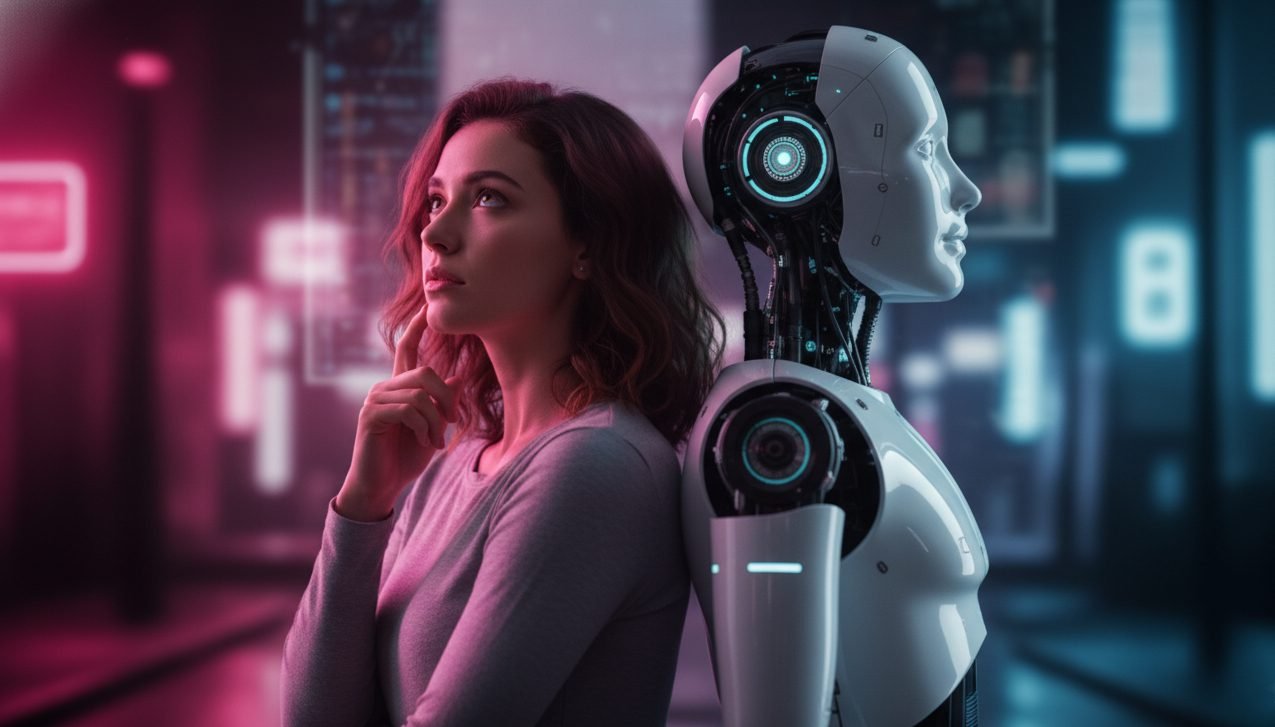
Human beings are considered the most evolved species on this planet.
Not because we are the strongest.
Not because we are the fastest.
Because our intelligence has expanded.
And yet, we use substances to temporarily reduce that intelligence in order to feel relaxed.
We dull awareness to feel calm.
We slow the brain to feel peaceful.
If intelligence has truly evolved, shouldn’t it at least allow us to create a stable inner experience without chemical assistance?
And yet, look at the irony.
To feel relaxed, we suppress the very faculty that defines us.
To feel happy, we slow down the sharpest instrument evolution has given us — our own intellect.
The brain that can imagine galaxies, write symphonies, decode DNA…
is chemically dulled just so it stops troubling us.
We numb the highest capability of our species in order to feel peace.
What does that say?
The same system that can create clarity, creativity, and profound joy…
when unmanaged, becomes a source of stress.
And instead of learning how to use it consciously,
we try to silence it.
It is like owning a powerful engine and pouring sand into it to slow it down because we never learned how to drive.
The problem is not the engine.
The problem is that we were never taught how to handle it.
If your own thoughts do not take direction from you, where exactly is freedom?
This connects directly with what is explored in Pause the Autopilot — when the mind runs unchecked, compulsion replaces clarity.
Why Intoxication Is Increasing Now
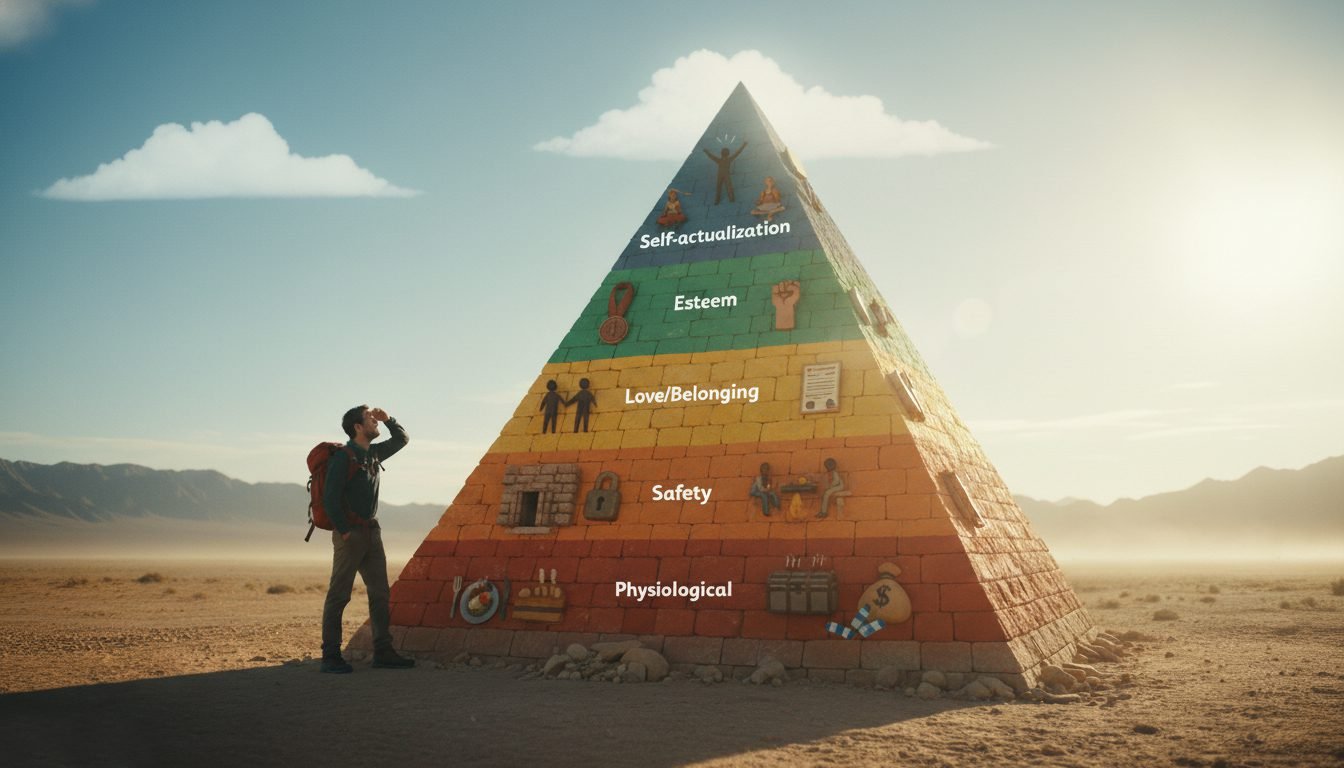
1. Survival Is No Longer the Main Struggle
Large segments of society are no longer fighting daily for survival.
When survival pressure reduces, life must find meaningful engagement.
If passion, discipline, and deep involvement do not replace survival, pleasure-seeking increases.
2. Reduced Physical Intensity
Modern lifestyles are sedentary.
Without strong physical engagement — sports, nature, movement — vitality drops.
A dull system seeks stimulation.
3. Emotional Disconnection
Busy households.
Digital parenting.
Fragmented attention.
Unprocessed emotions quietly look for escape.
4. Collapse of Borrowed Certainties
For generations, meaning systems promised reward later.
As those promises weaken, longing remains.
But without direction, that longing turns toward chemistry.
The desire to experience something more does not disappear.
It simply looks for faster access.
5. Chronic Mental Stress
Modern stress is not physical — it is psychological.
Earlier, stress was about survival.
Now, stress is about comparison, performance, expectation, and constant mental activity.
The body sits still.
The mind does not.
Notifications, deadlines, social validation, financial pressure, relationships-management — the system rarely rests.
When the nervous system does not know how to slow down naturally, intoxication feels like the only off-switch. And that’s easy too.
It is not that people want to escape life.
They want relief from relentless mental noise.
If the mind could be settled consciously, the need to chemically silence it would reduce dramatically.
Push-Start Living
Today, many people operate on external triggers.
Coffee to wake up.
Alcohol to unwind.
Pills to sleep.
Entertainment to escape.
External input regulates internal state.
The deeper question is:
Can you sit quietly and feel alive without stimulation?
If the answer is no, that is the root issue.
The Human System Is Capable of More
The human body is a sophisticated biochemical system.
States of joy, love, excitement, and peace are internally generated.
The issue is not lack of chemistry.
The issue is lack of conscious access.
If you knew how to create pleasantness within yourself deliberately, the appeal of intoxication would reduce naturally.
Not because it is forbidden.
But because it is unnecessary.
This is what is explored more deeply in Live Consciously — when awareness increases, internal experience stabilizes.
This Is Not About Morality
The issue is not whether drinking is right or wrong.
The real question is:
Does it increase your capability?
Does it sharpen perception?
Improve discretion?
Enhance clarity?
Or does it temporarily numb discomfort while reducing control?
Addiction is not about pleasure.
It is about losing the discretionary dimension of being human.
Being human means you can choose beyond impulse.
When chemicals become necessary for basic emotional balance, that choice weakens.
The Bigger Concern
When pharmaceutical industries rival food industries in scale…
When alcohol is among the largest global industries…
When chemical assistance becomes normal for sleep, focus, and joy…
We must pause.
This is not about one generation.
It is about the direction of human evolution.
If intelligence blossoms but self-mastery declines, progress becomes unstable.
The Real Alternative
Not prohibition.
Not moral policing.
Capability.
The ability to sit with yourself without needing escape.
The ability to calm your system without chemicals.
The ability to feel fully alive without dulling your mind.
When engagement is deep, the need for intoxication drops naturally.
When the body is used fully, the mind settles more easily.
When emotions are understood, they don’t demand sedation.
This is not about denial.
It is about inner regulation.
This begins by seeing how the mind runs on autopilot — explored in
Pause the Autopilot.
It deepens when you learn to observe thought instead of being driven by it —
as explained in See the Mind Clearly.
And it stabilizes when awareness becomes daily practice —
the foundation of Live Consciously.
Freedom Is the Real High
Intoxication is borrowed relief.
Mastery is generated stability.
One reduces awareness.
The other strengthens it.
Evolution is not about becoming smarter.
It is about becoming steadier.
Before you pour the next drink, pause.
Not to judge.
Just to ask:
Why can’t I feel alive without it?
Frequently Asked Questions
Why are drugs and alcohol on the rise globally?
Reduced survival pressure, emotional disconnection, sedentary lifestyles, and weakened meaning systems contribute to increased reliance on substances.
Is intoxication a moral issue?
The deeper issue is not morality but capability. The question is whether substances enhance or reduce conscious functioning.
What is push-start living?
Relying on external stimuli like caffeine or alcohol to regulate internal states instead of generating balance internally.
Are modern lifestyles contributing to addiction?
Yes. Reduced physical engagement and increased mental stimulation create imbalance that often seeks chemical relief.
Can the human body generate pleasure naturally?
Yes. Emotional and biochemical states are internally generated. Awareness and discipline determine access.
Why do intelligent people still struggle with addiction?
Intelligence does not automatically mean self-mastery. Without conscious direction, the mind can create stress and compulsion.
Does banning substances solve addiction?
Prohibition addresses supply, not inner need. Sustainable change requires internal stability.
What is the real alternative to drugs and alcohol?
Developing the ability to consciously shape one’s inner experience through engagement, awareness, and disciplined living.