

Knowing you will die changes how you live — but only if you truly allow it to.
No one wants to talk about death.
In many societies, it is treated as taboo.
Uncomfortable.
Negative.
Something to avoid.
But why is the only guaranteed event in your life the one you avoid the most?
Because the moment death becomes real, illusion weakens.
Death is the only certainty you have.
Your plans are uncertain.
Your success is uncertain.
Your relationships are uncertain.
But death? Certain.
The Comfort That Softens Urgency
Many religions speak about what happens after death.
Heaven.
Rebirth.
Salvation.
Another realm.
These ideas may bring comfort.
But they can also soften the urgency of this life.
If death feels like a guaranteed transition, it stops feeling immediate.
And when death feels distant, life feels endless.
This is not about rejecting belief.
It is about noticing how comfort can dull awareness.
Knowing you will die sharpens awareness. Avoiding it softens it.
You Are Not Just Living — You Are Dying
We often say, “I am living my life.”
But every second that passes is gone forever.
You are not simply moving forward.
You are dissolving into death — one breath at a time.
This is not pessimism.
It is arithmetic.
Every minute that passes is a minute removed from what remains.
When you truly understand that you are dying as every second passes, every moment becomes meaningful.
The First Funeral
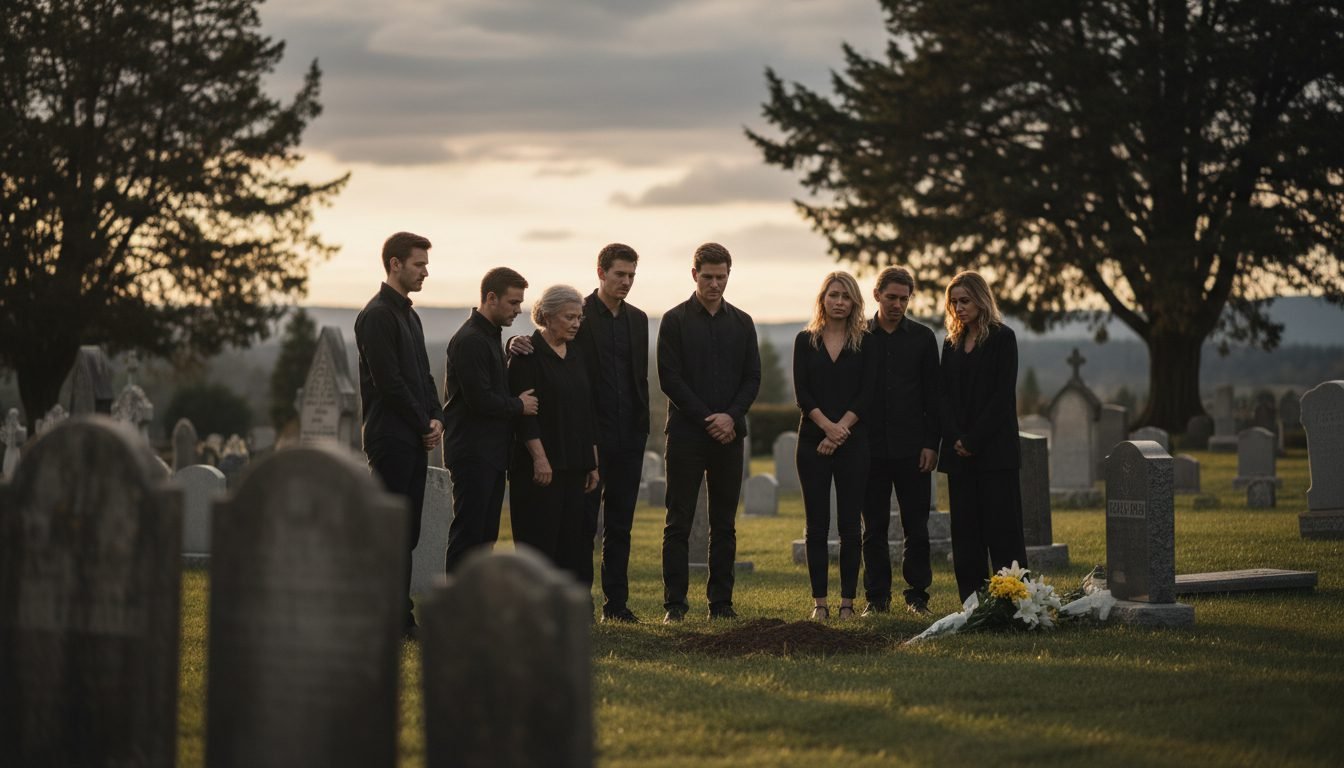
Think about a funeral you attended.
The silence felt different.
The stillness of a human body that once laughed and moved does something to you.
Even if you did not know the person well.
Something inside your body reacts.
Your breath changes.
Your movements slow.
Mortality is not just a thought.
It is a physical reminder.
When Someone Your Age Dies
At some point, you hear that someone your age has died.
Not old.
Not distant.
Not theoretical.
Someone like you.
That is when death stops being abstract.
It lands in the body.
And for a moment, your priorities rearrange themselves (even if it is for a while only).
Petty arguments feel small.
Comparison feels unnecessary.
Delay feels foolish.
Knowing you will die removes the illusion of unlimited time.
You mellow down a little.
Why Funerals May Teach More Than Celebrations
We attend weddings.
Birthdays.
Anniversaries.
We celebrate beginnings.
But endings teach more than beginnings ever can.
Standing beside a lifeless body is not just about mourning someone else.
It is a reminder of your own fragility.
Perhaps we avoid funerals because they disturb our comfort.
But if understood properly, they clarify life.
Knowing you will die makes every interaction sharper.
The Body Knows It Is Borrowed
Your body is made of food, water, air, and earth.
Everything that forms you was borrowed.
One day, it will return.
This is not mystical.
It is a physical fact.
When this settles into your awareness — not just your intellect — life changes.
Ego softens.
Grudges lose intensity.
Time feels valuable.
You begin to act with clarity rather than habit.
Mortality and Spiritual Clarity
If human beings believed they would live forever, very few would question life deeply.
Mortality creates urgency.
It pushes you to ask:
Who am I beyond my roles?
Am I living consciously?
What truly matters?
This connects directly with Pause the Autopilot and Live Consciously.
Spirituality does not begin with ritual.
It begins when knowing you will die changes how you live.
Frequently Asked Questions
Why is death considered taboo?
Because death removes psychological comfort. Facing it challenges identity and the illusion of unlimited time.
How does knowing you will die improve your life?
It sharpens priorities, reduces trivial conflict, and increases presence in daily actions.
Is thinking about death unhealthy?
Fear-based obsession is unhealthy. Calm awareness of mortality can increase clarity and appreciation for life.
Does belief in an afterlife reduce urgency?
It can provide comfort, but it may also reduce the intensity with which one lives this moment.
Why do funerals feel powerful?
The body instinctively recognizes impermanence. The reaction is often physical before it becomes emotional.
Can awareness of death reduce anxiety?
Yes. When time feels precious, unnecessary worries lose importance.
Is spirituality about preparing for death?
Spirituality is about living consciously now, not speculating about what happens after death.
How can I reflect on mortality without fear?
Focus on clarity rather than catastrophe. Awareness of impermanence can deepen gratitude instead of creating panic.