

How you ended up on a train you never chose—and how to finally take the controls.
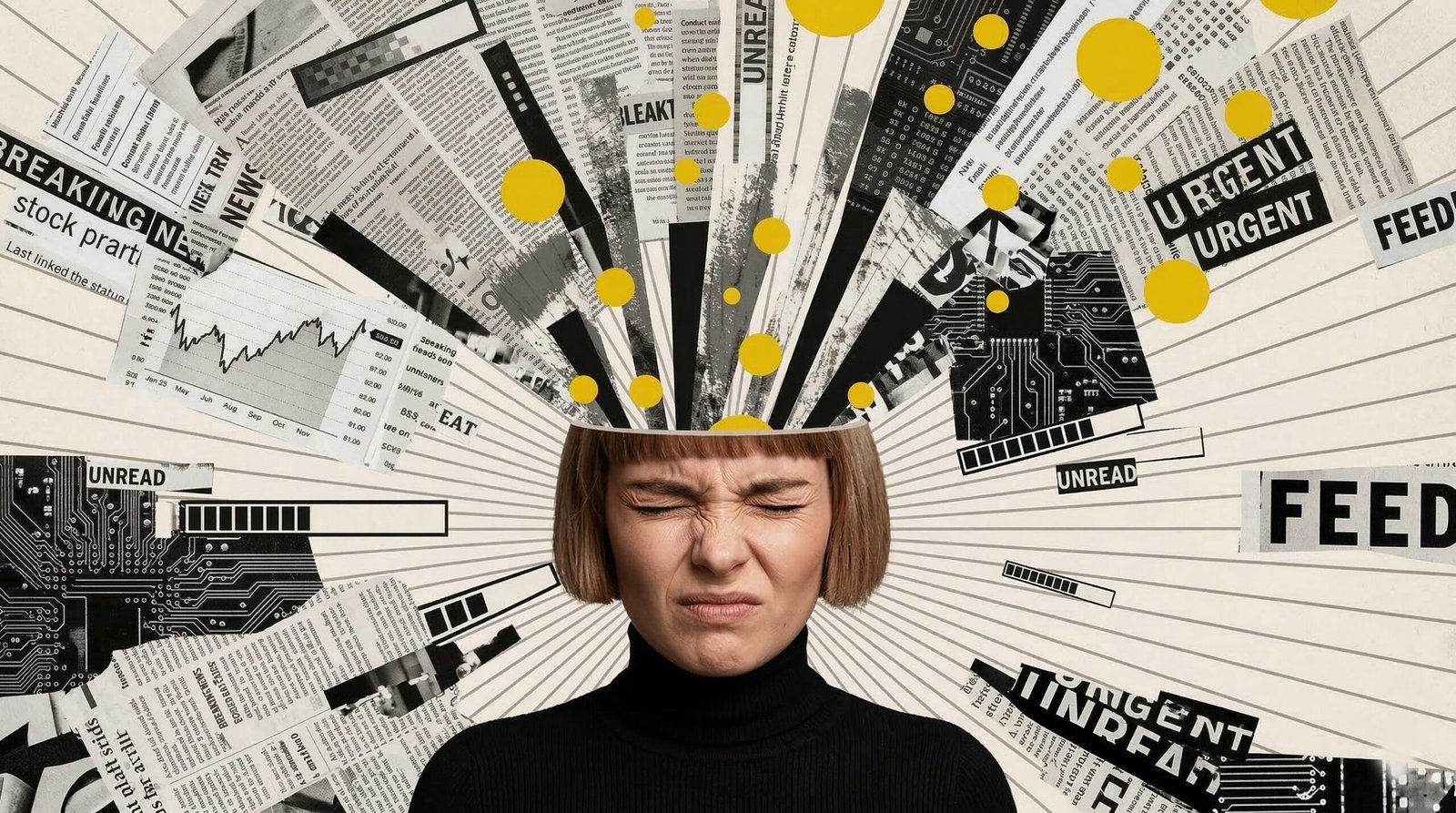
This article will help you wake up from autopilot and see where your life has been running on conditioning instead of choice.
I. The Train You Don’t Remember Boarding
Imagine opening your eyes inside a moving train.
Not a dream.
Not a metaphor.
A real train—doors locked, windows fogged, speed relentless.
Everyone around you is awake, but not really “awake“.
They’re talking, working, scrolling, arguing, planning, panicking—yet something feels off.
Their eyes look alive, but their movements are repetitive, automatic, familiar in a disturbing way.
You ask the person beside you, “Where is this train going?”
Without looking up, they reply, “Forward.”
“Who decided the destination?”
“That’s just where trains go.”
You glance down at your hands.
There’s a ticket with your name on it—printed in a handwriting that’s not yours.
Career.
Marriage.
Success.
Respect.
Stability.
Approval.
Someone else filled this out for you.
And that’s when it hits you:
you’ve been on this train for years, maybe decades, without remembering ever choosing the track.
This is the moment every person encounters at least once in their life—a sudden, piercing awareness that they’ve been moving, working, striving, performing, obeying… but not consciously choosing.
Most people ignore that moment or don’t even realise that moment.
They close their eyes again and return to sleep.
A few don’t.
This article is for the few.
You Think You’re Awake Because Your Eyes Are Open
On the surface, everything looks normal.
You get up.
You go to work.
You handle responsibilities, pay your bills.
You solve problems.
You make decisions.
Some fail.
Some succeed.
Movement in life gives the illusion of being conscious.
But inside that train, every conversation begins to sound similar.
People talk the way train passengers talk about the weather—predictable, inherited, borrowed, guessed, concluded.
Someone’s becoming an engineer “because it’s a safe career.”
Someone’s getting married “because everyone else is.”
Someone’s chasing promotion “because what else is there to chase?”
Someone’s chasing pleasures “because they can’t find happiness in anything else”
Someone’s fully lost in devotion & prayers “because they don’t find peace in anything else”
Everyone believes they have chosen their route.
But the truth is uncomfortable:
most people are living a life designed by someone else.
Parents.
Teachers.
Traditions.
Peers.
Culture.
Fear.
Expectations.
Call it what you want.
The effect is the same.
You’re moving, but not awake.
Functioning, but not conscious.
Alive, but not living.
That is the sleep the world never warns you about.
The Life You Inherited, Not Created
Inside the train, the stories continue.
A man pursued a career he never enjoyed because “that’s what responsible people do.”
A woman trained herself to desire approval more than freedom.
A child’s natural joy was slowly replaced with fear of failing tests, disappointing adults, and not being “good enough amidst competition.”
None of these choices were born from authenticity.
They were slowly programmed as life progressed.
Like passengers following a schedule and route printed decades before they were born.
This is the tragedy of conditioning:
You learn to imitate before you learn to live. See Through the Illusion
Everyone told you who to be long before you knew who you were.
Smile politely.
Don’t disappoint.
Choose stability.
Follow the path.
Fit in.
Stay safe.
Fear God.
Stay Competitive.
By the time you reach adulthood, the mask fits so well you forget it’s a mask.
You end up living a life that wasn’t yours—not because you were weak, but because you were trained to believe the mask was you.
That’s the real sleep.
When Natural Happiness Gets Replaced with Performance
If you look closely, you’ll see one bogie of the train filled with children.
They laugh for no reason.
They sing without checking who’s watching.
They dance in the tiny space between seats.
They look out the window like the world is a miracle.
This is what pure being looks like—joy without cause.
But by the time these children walk into adulthood, their laughter becomes conditional:
- “First achieve, then be happy.”
- “First succeed, then rest.”
- “First prove yourself, then you can be yourself.”
Society teaches you something dangerous:
you must earn happiness.
But happiness was the one thing you were born with.
The train convinces you to chase what you already are.
That’s why adults are tired.
Not because life is hard, but because pretending is exhausting.
The First Step of Waking Up: Stopping
There comes a moment—if you’re lucky—when you get tired of the noise.
Tired of running.
Tired of chasing.
Tired of wanting what you don’t want.
Tired of the weight of pretending.
On the train, that moment looks like this:
You stop.
Just for a breath.
Just long enough to hear the sound underneath the chaos.
The train keeps moving.
Everyone else keeps performing (movements).
But something inside you becomes still.
And in that stillness, you notice the essentials you’ve been missing:
The evening light.
The taste of your food.
The softness in someone’s voice.
Your own breathing.
The quiet presence behind your thoughts.
The simple fact that life is happening right now, not later.
Stopping is the first act of rebellion.
Because the world trains you to run non-stop—even when you don’t know why.
To bring awareness to the pause and sharpen it into a practice, See the mind clearly.
The Pain of Waking Up
No one tells you this, but waking up hurts.
Not because truth is cruel, but because illusions are comfortable.
On the train, when you finally walk through the aisles and see people repeating patterns, defending beliefs they never examined, chasing goals they don’t want, sacrificing joy for approval—your heart breaks a little.
You see your own reflection in them.
You see the years you lost.
You see the moments you didn’t live.
You see the emotions you suppressed.
You see the masks you wore.
This pain is not punishment.
It’s a beginning.
Every birth is uncomfortable.
And awakening is the birth of your real self.
Becoming Innocent Again
There is a bogie at the front of the train.
No signs.
No instructions.
Just a different kind of carriage.
When you step into it, something surprising happens:
you don’t walk into a temple or a mountain cave.
You walk into yourself—without labels, without borrowed opinions, without expectations.
A clean slate.
A zero.
Someone seeing the world for the first time.
This is the entry into real consciousness.
Not knowledge.
Not achievement.
Not effort.
Just seeing—direct, unfiltered, innocent.
The moment the mind becomes quiet enough to observe instead of interpret, you rediscover what the passengers lost:
Your natural aliveness.
Living Awake Without Leaving Your Life
People think waking up means escaping.
Leaving your job.
Leaving your family.
Leaving society.
Leaving responsibilities.
But the awakened person doesn’t escape the train.
They simply sit in a different way.
They work—but without being owned by work.
They love—but without losing themselves in love.
They act—but without becoming a performer.
They care—but without begging for approval.
They live—but from awareness, not autopilot.
They remain in the world, but the world is no longer dictating their movement.
This is the balance the sleeping passengers cannot imagine:
Being fully alive in the same life you once sleepwalked through.
The Complete Human Being
Some passengers enjoy the food and music on the train.
Others sit quietly and watch the scenery.
The awakened person does both.
They celebrate without addiction.
They witness without detachment.
They dance without losing their center.
They watch without withdrawing from life.
Joy and awareness finally meet.
This is the whole human being—someone who can taste the world and still remain rooted in themselves.
Someone who plays the game of life consciously instead of being moved by invisible hands.
Someone who is in the train, but no longer on autopilot.
Why Those Who Wake Up Cannot Be Controlled
Once you become conscious, something subtle but radical happens:
You stop being afraid.
You stop being obedient.
You stop being easily manipulated.
You stop being defined by labels.
You stop fitting into systems that rely on your sleep.
Awake people are hard to govern because they question.
They doubt.
They see.
They choose.
They question
They refuse to be passengers of someone else’s plan.
Systems prefer sleepwalkers.
Awake individuals unsettle them—because a free human being is unpredictable, independent, and deeply alive.
When your automatic reactions loosen, you create the capacity to Pause the mind’s reactions, and that is where true freedom grows.
The Invitation: Take the Controls
Every person on the train has the same opportunity:
To take the controls.
To choose the direction.
To redesign the route.
To step out of conditioning.
To stop merely existing.
To start living consciously.
You don’t need a new belief.
You don’t need a new identity.
You don’t need to run away.
You only need to wake up.
The bogie is already there.
The train is already moving.
Life is already happening.
The choice is simple:
Continue sleeping through your own journey—
or open your eyes and finally take the wheel.
Your freedom doesn’t begin when you reach the destination.
It begins the moment you see you were never bound to the tracks.
Frequently asked questions
1. What does “being asleep” actually mean?
It means moving through life on autopilot — following conditioned patterns, roles and expectations rather than choosing from awareness.
2. Do I have to leave my job or family to wake up?
No. Awakening is an inner shift. You can remain in your life while changing how you relate to it — choosing rather than reacting.
3. Why does waking up feel painful?
Because waking dissolves comforting illusions and exposes years of patterns. The grief that follows clears space for honest presence.
4. What are simple daily steps to become more awake?
Start with micro-practices: one minute of stopping each day, asking “Is this true or am I assuming?”, and doing one act without documenting it.
5. How will waking up change my relationships?
When you stop reacting from old stories, conversations become clearer and less defensive. You’ll relate from presence rather than projection.
6. Is awakening a one-time event or a practice?
Both. There are moments of clear awakening and there is daily practice. The two reinforce each other: clear glimpses motivate the practice; practice stabilises the glimpse.