


Come back to the present moment so the mind stops pulling you into stories, fears, and imaginations that don’t exist here.
You are now deep inside Phase 2 — Essence.
Steps 1–4 helped you see the mind’s movements. Step 5 helped you discover the awareness behind those movements. Now Step 6 teaches you how to anchor yourself in the only place awareness is always available: the present moment.
Everything you have learned so far builds toward this step. Awareness is always here — but you can only experience it when you are here too.
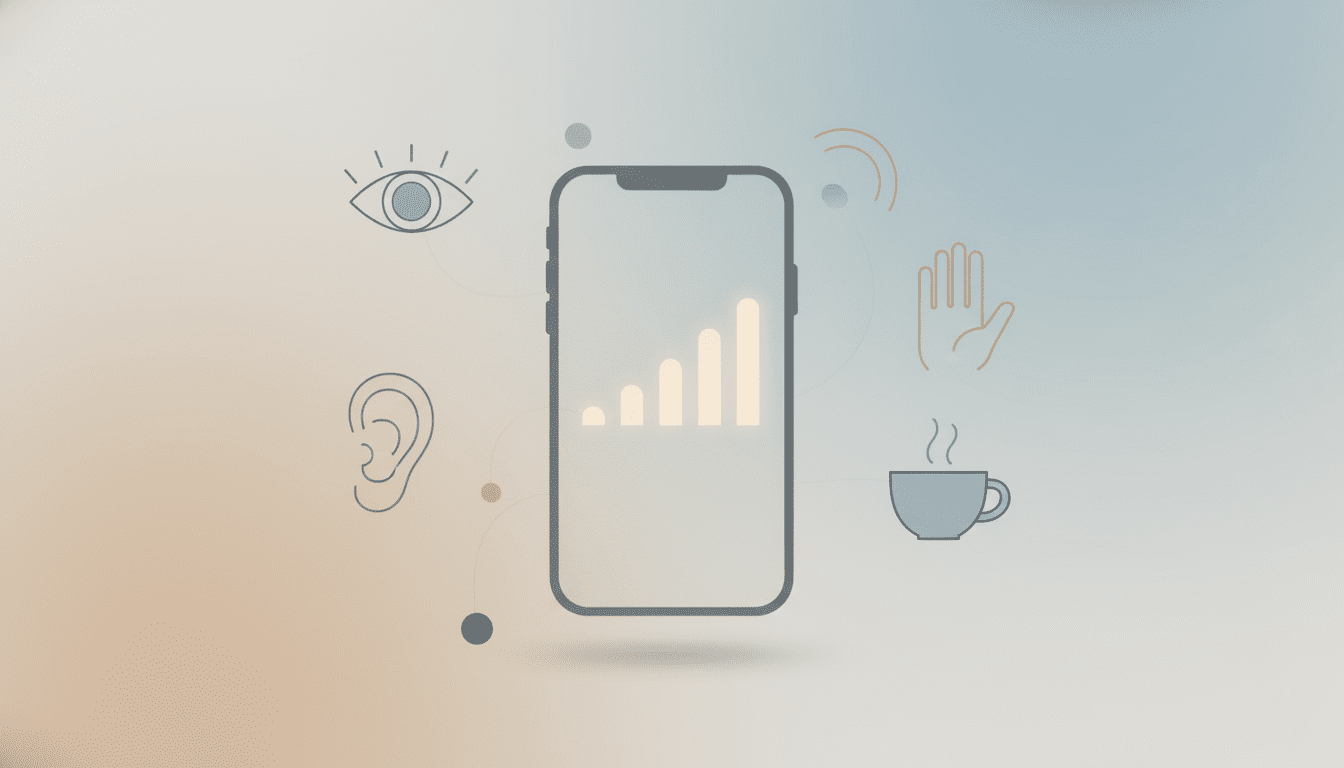
Come back to the present moment. Have you observed when you? phone when it loses signal? It keeps searching — constantly, desperately — draining battery, heating up, trying to connect to something that isn’t available where it currently is. It struggles, not because it’s broken, but because it is out of range.
The mind works the same way.
When you’re lost in the past or anxious about the future, the mind keeps searching for answers, certainty, explanations, resolutions. It drains your inner energy. It overheats your attention. It exhausts your emotional battery.
But the moment you come back to the present moment, everything stabilises.
The mind reconnects. The noise softens. Clarity returns.
You saw the stories shaping your emotions in Step 2.
You learned to witness thoughts in Step 3.
You softened old emotional imprints in Step 4.
You discovered awareness itself in Step 5.Now Step 6 teaches you where to find awareness every single time — in the present moment.When the mind loses the present, it loses clarity. When you return to the present, clarity comes back instantly.
Why the Mind Leaves the Present Moment
The mind rarely stays here. It prefers two places:
- The past — replaying, analysing, regretting, remembering.
- The future — predicting, preparing, fearing, imagining.
Both places feel productive, but they are distractions. The mind believes it is solving something — but it’s only rehearsing old patterns or imagining scenarios that don’t exist.
The mind is loudest when it is farthest from the present moment.
You Cannot Live Life in a Memory or Imagination
You can think about yesterday. You can worry about tomorrow. But you cannot live in either place.
It’s like trying to eat food by looking at a picture of it.
You can stare at the photo all day — but it will never feed you.
The past and future are mental photographs. Life is the meal in front of you.
You can only live here — in the present moment.
The Present Moment Is Not an Idea — It’s Sensory Reality
Many people think “being present” means forcing the mind to stop or trying to meditate all day. But presence is not a technique. It is sensory contact with what is real right now.
The present moment is always made of:
- what you see
- what you hear
- what you feel physically
- what you are doing now
Nothing else is real. Everything outside this is the mind wandering without signal.
And when you need to be rooted in realmaking up mind needs to work less. It doesn’t drain energy searching the archives or making up something it cannot find with imagination. It becomes efficient, steady, and clear.
Less friction. Less heat. Less noise.
Everything inside you begins to operate more smoothly — simply because you came back to the moment where life is actually happening
The First Sign You Are Leaving the Present
You know you are leaving the present when:
- Your mind speeds up.
- You start predicting outcomes.
- You rehearse conversations in your head.
- Your attention jumps away from what is in front of you.
- You lose connection with your surroundings.
These are not problems. They are early notifications — like your phone saying “Searching…”
Return to the present moment, and the searching stops.
Why the Present Moment Feels Safe
In the present moment, nothing overwhelming is happening. The body is here. Breath is here. Awareness is here. Everything is real.
The danger, fear, and overwhelm come from what the mind adds, not what life provides.
The present moment is simple. The mind is complicated.
How to Come Back to the Present Moment Instantly
Presence is surprisingly easy once you know what to look for.
Use these simple, real-world anchors:
1. Feel one physical sensation
Your feet on the ground. Your hands touching an object. The weight of your body on a chair.
2. Look at one real object
Not stare — just notice. The colour, the shape, the light hitting it.
3. Listen for one sound
Distant traffic, a fan, footsteps, your own breathing.
4. Say internally: “Here I am.”
This anchors awareness in the sensory moment.
Nothing complicated. Nothing dramatic. Just coming back to where life is actually happening.
What Changes When You Live in the Present Moment
Presence doesn’t erase problems, but it removes the mind’s exaggeration of them.
- Your reactions soften.
- Anxiety reduces because anxiety always lives in the future.
- Regret weakens because regret lives only in the past.
- Relationships feel lighter because you listen instead of predicting.
- Your decisions become clearer because you see what’s actually in front of you.
The present moment is where clarity lives.
Clarifying a Common Confusion: Presence Is Not Passivity
Being present doesn’t mean being passive, slow, or detached. Presence sharpens action because it removes mental noise.
In the present moment:
- You see what needs to be done.
- You respond accurately.
- You stop reacting from old wounds.
- You act without confusion.
Presence is not inaction. It is accurate action.
Practical Exercise: The Signal Test
Use this whenever you feel overwhelmed:
- Notice the “searching” feeling in your mind.
- Look at something real in front of you.
- Feel your feet or your hands.
- Say quietly: “Come back.”
The mind reconnects instantly when you return to the present.
FAQs
1. What does it actually mean to come back to the present moment?
Coming back to the present moment means shifting your attention from mental activity — memories, predictions, worries — to what is happening right now through your senses. It is noticing what you see, hear, feel physically, and what you are doing in this moment. It is not a concept or belief; it is a direct experience of reality as it is.
2. Why does the mind keep leaving the present moment?
The mind is conditioned to scan the past for meaning and the future for safety. It believes that replaying memories or imagining outcomes will protect you. This habit is automatic, not intentional. The mind leaves the present not because it is broken, but because it has learned to search instead of stay.
3. Is staying in the present moment the same as stopping thoughts?
No. Thoughts will continue to appear even when you are present. Being in the present moment means you are no longer lost inside those thoughts. They exist in the background while your attention remains rooted in what is real and happening now.
4. How does returning to the present moment reduce anxiety?
Anxiety is almost always created by imagined futures. When you return to the present moment, the future loses its grip because it does not exist here. Your nervous system responds to what is real, not what is imagined, which naturally lowers mental and physical tension.
5. Does being present make life slower or less productive?
No. Being present actually improves efficiency. When the mind is not scattered across past and future, it burns less mental energy, creates less internal friction, and responds more clearly. Presence removes unnecessary effort, not intelligent action.
6. How do I know I’ve left the present moment?
You’ve left the present moment when your attention disconnects from your surroundings and becomes absorbed in mental replay, planning, or worry. Common signs include mental urgency, repeated inner dialogue, or emotional reactions that don’t match what’s happening right now.
7. What is the fastest way to return to the present moment?
The fastest way is through the senses. Feel your feet on the ground, notice a sound, look at an object near you, or feel your breath. Sensory awareness immediately pulls attention out of imagination and back into reality.
8. Can I stay present all the time?
No one stays present continuously. Presence is not a permanent state; it is a repeated return. Each time you notice you’ve drifted and gently come back, the habit of presence strengthens. Progress comes from returning, not from perfection.
9. How does Step 6 connect with awareness from Step 5?
Step 5 helped you recognise awareness itself — the observer behind the mind. Step 6 shows you where that awareness is most easily accessed: the present moment. Awareness is always available, but it becomes obvious only when attention stops wandering.