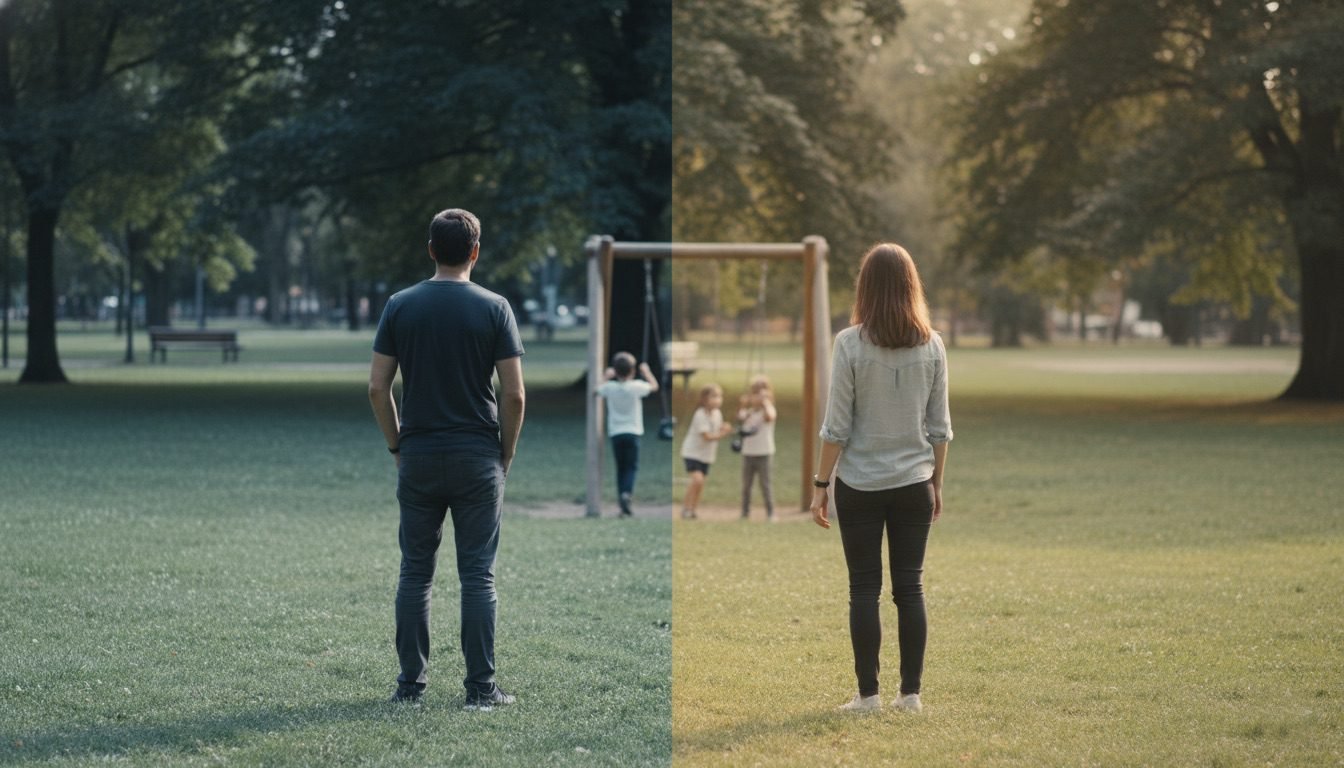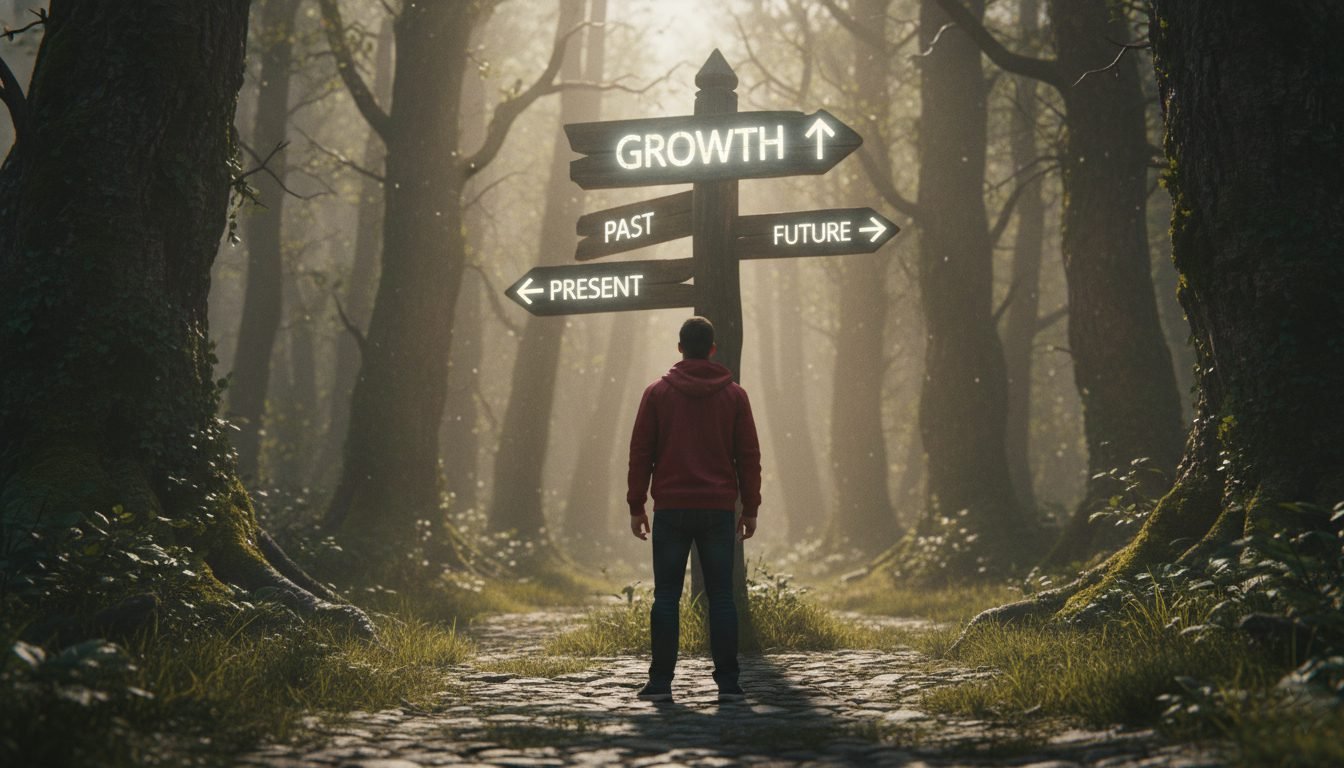


A simple, practical shift that turns chaos into clarity — helping you stop living from habit and start living from awareness.
You react when the mind takes over.
You respond when awareness takes the lead.
Automatic reactions come from conditioning.
Conscious responses come from clarity.
This article helps you move from reacting on autopilot to responding with presence.
The Mind Reacts — Awareness Responds
Your reactions are not personal — they’re rehearsed. The mind reacts the way a phone auto-fills a message: fast, predictable, mechanical.
Someone speaks sharply and an old file opens: “defend.”
Someone ignores you and another file jumps up: “prove yourself.”
These are not choices. They’re leftovers from years of conditioning.
A conscious response works differently. It comes from seeing the moment clearly — like noticing the road before crossing, instead of stepping out automatically.
Presence creates choice. Habit creates reaction.
Why Reactions Feel Immediate
Reactions feel instant because they bypass awareness — like a door swinging open before you decide to move.
They come from:
- old emotional residue
- stored memories
- learned fears
- past experiences
The mind’s inner algorithm looks like this:
Something happens →
The past interprets it →
The body reacts →
You assume the reaction is “you.”
But here’s a core principle to remember:
You are not the mind’s reactions — you are the one who notices them.
Once you see this clearly, something shifts.
You stop being the puppet of your past and begin becoming the author of your present.
The Shift From Reacting to Responding
A reaction is like blurting out the first thing that appears on your tongue.
A response is like reading the room before speaking.
You move from:
- Immediate → Intentional
- Emotional → Aware
- Past-driven → Present-driven
Think of a driver who swerves only when they’re distracted.
But when they’re fully alert, they don’t swerve — they adjust smoothly.
Responding consciously is that smooth adjustment.
It’s not passive — it’s precise.
Your Body Warns You Before You React
There is always a tiny physical cue before a reaction:
- a tightening in the chest
- a sudden inhalation
- a small heat in the face
- a clench in the stomach
- a shift in your tone
You’ve noticed these cues many times — just usually too late.
Now you catch them earlier.
That one second makes all the difference.
It’s like noticing boiling water just before it spills over.
Responding Consciously Doesn’t Mean Being Calm All the Time
Many people confuse conscious response with being quiet, polite, or passive.
That’s not clarity — that’s suppression.
Responding consciously means:
- You act with awareness — not habit.
- You choose — you don’t repeat.
- You do what the moment needs — not what your past demands.
Sometimes a conscious response is firm.
Sometimes it’s soft.
Sometimes it’s silence.
Sometimes it’s stepping away.
The difference is simple:
You act because the moment requires it — not because your conditioning does.
How to Respond Consciously in Daily Life
1. The One-Breath Reset
Before reacting, take a single natural breath. Not deep. Not forced — just aware.
This creates space. Space breaks the link between trigger and reaction.
2. Notice What’s Happening Inside You
You’re not controlling anything — just seeing it.
“My chest is tight.”
“Anger is rising.”
“An urge to defend myself is here.”
Awareness itself changes the direction of energy.
3. Ask a Quiet Inner Question
Not analysis — just a gentle check:
“What actually needs to happen here?”
This single question shifts you out of autopilot.
4. Do the Smallest Conscious Thing
Maybe it’s speaking.
Maybe it’s waiting.
Maybe it’s stepping away.
Maybe it’s not sending that message right now.
In conscious living, small choices are bigger than big reactions.
5. Leave the Moment Clean
A reaction leaves residue and regret.
A conscious response leaves clarity.
Practical Exercise: The Two-Second Window
Today, pick one interaction — any interaction — and give yourself a two-second window.
How it works:
- Pause for two seconds.
- Feel the body.
- Notice the urge to react.
- Then choose the smallest conscious action.
Do this once a day.
Awareness builds like muscle — through repetition.
FAQs
Q1: What if my reaction happens too fast?
Even noticing it afterwards is progress. Awareness grows step by step.
Q2: Won’t people take advantage if I stop reacting?
No. Responding consciously makes you clearer and stronger — not softer.
Q3: Is conscious response the same as forgiveness?
No. It’s clarity, not agreement. You act from awareness, not emotion.
Q4: What if I still feel anger?
Feeling anger is normal. Acting unconsciously from it is the problem.
Q5: How do I stay conscious in heated situations?
You train in small, everyday moments. Big moments become easier naturally.
Q6: Does responding consciously mean avoiding conflict?
No. It means engaging without losing yourself.
Q7: Can this help in relationships?
Yes — conscious response is one of the biggest sources of healing and honest communication.
Q8: What if I fall back into old patterns?
You will. Everyone does. Awareness returns faster each time.
Note: This is a standalone insight, not part of the 12-Step Journey.
If you want to explore the full journey, start at Step 1: See Through the Illusion.