

Release the need to control what you cannot control so effort turns into intelligence instead of inner struggle.
You are still in Phase 2 — Essence.
In this phase, the work is no longer about fixing the mind, correcting thoughts, or improving behaviour. It is about understanding where effort helps — and where effort only creates friction.
Step 7 is where many people misunderstand clarity. They hear the word “surrender” and think it means giving up, becoming passive, or accepting injustice.
This step teaches the opposite.
It shows you how to stop wasting energy fighting what you cannot control — so you can act clearly where you can.
The Everyday Scene That Explains Control Perfectly
Picture this.
You’re stuck in traffic. Cars aren’t moving. Signals keep changing. You’re late.
You grip the steering wheel. You honk. You mutter under your breath. Your jaw tightens. Your mind keeps saying, “This shouldn’t be happening.”
But nothing changes.
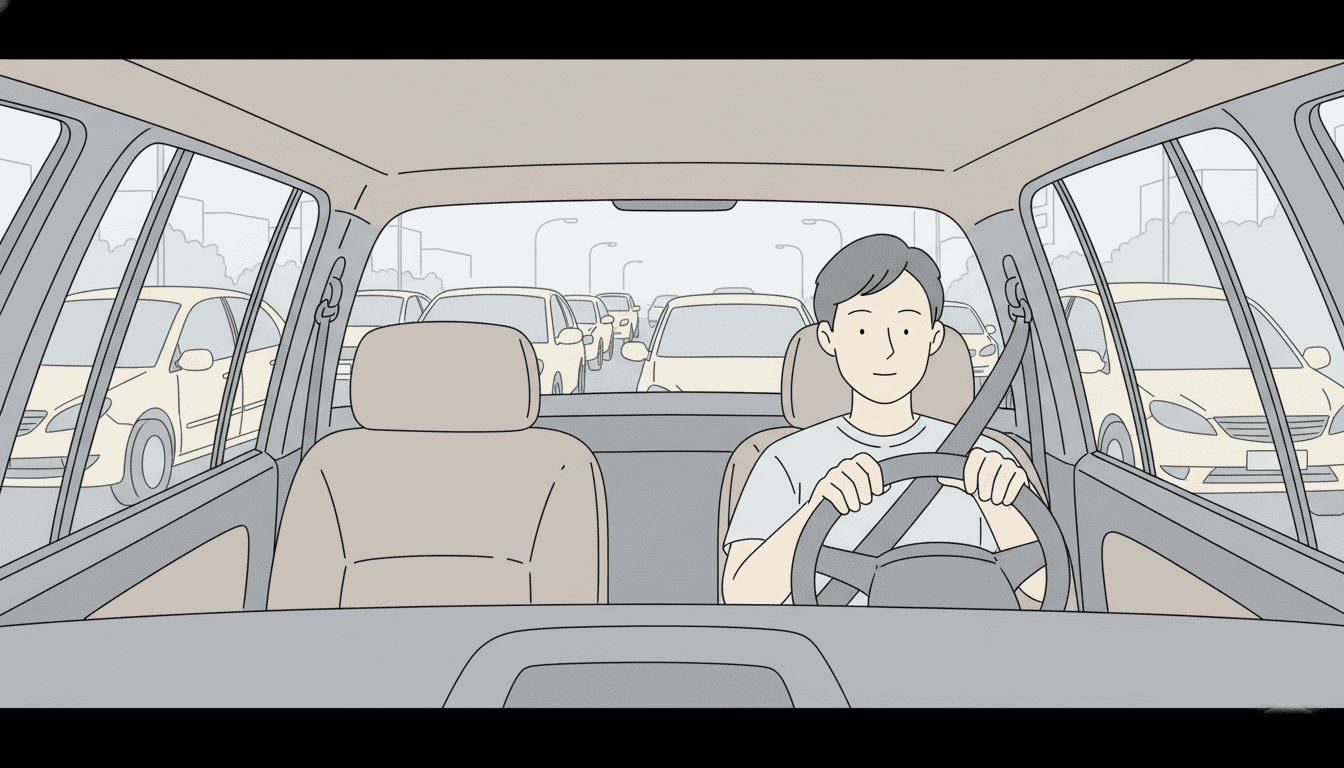 The traffic doesn’t clear because you’re angry. The signal doesn’t turn green faster. The road doesn’t open up.The situation stays the same — but your suffering multiplies.This is control without intelligence. And this is how the mind treats life far more often than we realise.
What You’re Really Trying to Control
Most people think they are trying to control events. They are not.
They are trying to control:
- how people behave
- how situations unfold
- how outcomes turn out
- how the future feels
- how uncertainty disappears
The mind believes that if it can control these, it will finally feel safe.
But safety never comes from control.
It comes from clarity.
Why Control Feels Necessary (But Isn’t)
The need to control comes from fear — not logic.
The mind looks ahead, imagines discomfort, and says, “I must prevent this.”
So it tightens. It resists. It pushes. It argues with reality.
But reality does not negotiate.
Life does not respond to resistance. It responds to intelligent action.
Present-Moment Clarity vs Control
Here’s the crucial distinction Step 7 introduces:
Control operates in imagination. Clarity operates in the present moment.
When you are present:
- You see what is actually happening.
- You know what you can influence.
- You stop fighting what you cannot change.
In traffic, presence doesn’t magically clear the road — but it stops you from adding unnecessary suffering.
You may reroute. You may wait. You may inform someone you’ll be late.
These are intelligent actions — not resistance.
How Surrender Is Commonly Misunderstood
Surrender is often mistaken for:
- giving up
- being weak
- accepting everything blindly
- doing nothing
That is not surrender.
Surrender is seeing reality clearly and stopping the inner fight.
You stop arguing with what already exists — and redirect your energy toward what you can actually do.
What Changes When You Stop Fighting Reality
The moment you stop fighting:
- Your body relaxes.
- Your mind slows down.
- Your perception sharpens.
- Your decisions become simpler.
Nothing externally may change — but internally, everything shifts.
Energy that was wasted on resistance becomes available for action.
The Present Moment Makes Control Unnecessary
In the present moment:
- You don’t need to control the future.
- You don’t need to rewrite the past.
- You don’t need to win arguments in your head.
You only need to respond to what is here.
This is why Step 6 (coming back to the present moment) and Step 7 work together.
Presence dissolves the illusion of control.
Where Intelligent Effort Still Matters
Releasing control does not mean inaction.
It means:
- You prepare where preparation helps.
- You speak where speaking helps.
- You act where action matters.
- You let go where effort changes nothing.
This is not passivity. This is precision.
You stop wasting effort on what is already decided — and use it where choice exists.
Seeing Control Loops as They Form
You know you are slipping into control when:
- Your thoughts speed up.
- You replay the same scenario repeatedly.
- You feel tight urgency without clarity.
- You are mentally arguing with reality.
These are not signals to push harder.
They are signals to step back.
Practical Exercise: The Traffic Test
Use this anytime life isn’t moving the way you want:
- Notice where you are mentally resisting what is happening.
- Ask: “Is this something I can actually control right now?”
- If yes — act calmly and clearly.
- If no — stop the inner argument and return to the present moment.
Watch how quickly the inner tension drops when resistance ends.
FAQs
1. What does “releasing the need to control” actually mean?
Releasing the need to control means stopping the inner fight with things that are already happening. It does not mean giving up action or responsibility. It means recognising what is within your influence and what is not. When you stop trying to control outcomes, people, or timing, your energy becomes available for clear, effective action instead of mental resistance.
2. Is surrender the same as accepting everything passively?
No. Surrender is not passivity. Passivity avoids action; surrender removes inner resistance. You still speak, act, set boundaries, and make decisions. The difference is that your actions come from clarity instead of frustration, fear, or urgency. Surrender stops the struggle, not the response.
3. Why does trying to control situations create more suffering?
Control creates suffering because it places your sense of safety in outcomes you cannot guarantee. When reality doesn’t match your expectations, the mind resists what is already happening. This resistance tightens the body, accelerates thought loops, and amplifies stress — even though the external situation remains unchanged.
4. How do I know whether I should act or surrender in a situation?
Ask a simple question: “Is this something I can directly influence right now?” If the answer is yes, act calmly and clearly. If the answer is no, surrender the inner argument and return to the present moment. Intelligent living is knowing when effort helps and when it only creates friction.
5. Does releasing control mean I won’t care about results?
No. You still care, but you stop tying your inner stability to specific outcomes. This actually improves results because your actions are no longer distorted by anxiety or desperation. When you are present and clear, you respond more accurately to what the situation actually needs.
6. Why does the mind cling so strongly to control?
The mind equates control with safety. Uncertainty feels threatening, so the mind tries to predict, manage, and force outcomes. However, this strategy backfires because uncertainty is a natural part of life. When you accept uncertainty instead of fighting it, the mind relaxes and functions more intelligently.
7. Can surrender help with stress and anxiety?
Yes. Stress and anxiety are often created by trying to control imagined futures. When you release the need to control and return to the present moment, the mental pressure reduces immediately. You may still face challenges, but without the added layer of fear-based resistance.
8. What’s the difference between surrender and resignation?
Resignation is giving up from hopelessness. Surrender is letting go from clarity. Resignation feels heavy and defeated; surrender feels lighter and grounded. In surrender, you stop fighting reality but remain fully engaged with life.
9. How does Step 7 connect with the earlier steps?
Steps 1–4 helped you see automatic reactions, stories, and old imprints. Step 5 showed you the awareness behind them. Step 6 anchored that awareness in the present moment. Step 7 applies all of this by showing how to stop wasting energy on control and live with intelligent response instead.